RAVE VOOR DE
RAFELRANDEN
RAVE VOOR DE
RAFELRANDEN
2 may'26
UTRECHT
2 may'26
UTRECHT
ONZE STAD
ONZE STAD
our city
our city
ONZE RUIMTE
ONZE RUIMTE
our space
our space
ONS RECHT
ONS RECHT
our right
our right
Lees HET manifest
Lees HET manifest
Locatie:
Utrecht
Utrecht
Datum & tijd:
13h00
2 may 2026
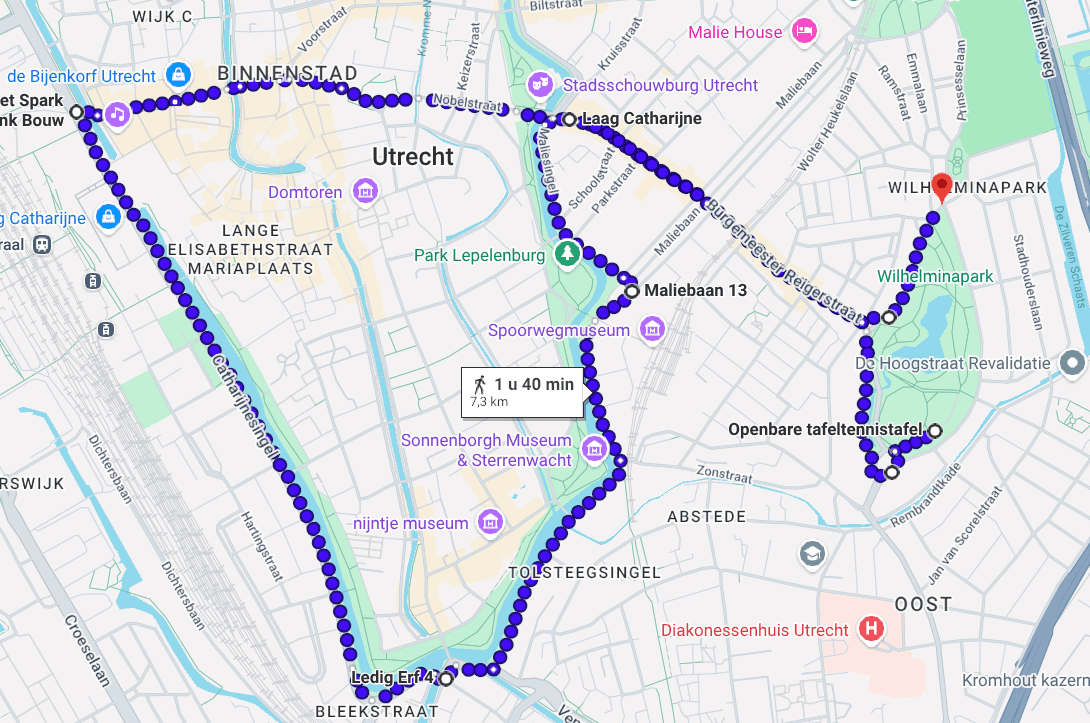
Route:
start & end
@wilhelmina
park, utrecht
start & end
@wilhelmina
park, utrecht
NL:
Zonder jullie is er geen ons. We nemen de ruimte en nodigen jullie uit om het te belichamen als initiatief, activist of op welke manier je op wilt dagen. Je mag geluid maken, dansen, kleurrijk of donker zijn. Hoe dan ook; we willen jullie er graag bij hebben. Doe je met ons mee? Vul het formulier in als vrijwilliger of initiatief via de onderstaande link.
NL:
Zonder jullie is er geen ons.
We nemen de ruimte en nodigen jullie uit om het te belichamen als initiatief, activist of op welke manier je op wilt dagen. Je mag geluid maken, dansen, kleurrijk of donker zijn. Hoe dan ook; we willen jullie er graag bij hebben.
Doe je met ons mee? Vul het formulier in als vrijwilliger of initiatief via de onderstaande link.
EN:
Without you there is no us. We take space and we invite you to embody it with an initiative, as an activist or in any other way that you want to show up. You can be loud, you can dance, be colourful or dark. Anyhow; we want you to be a part of it. Do you want to join in? Fill in the form to take part in it as a volunteer or initiative at the links below..
EN:
Without you there is no us.
We take space and we invite you to embody it with an initiative, as an activist or in any other way that you want to show up. You can be loud, you can dance, be colourful or dark. Anyhow; we want you to be a part of it.
Do you want to join in? Fill in the form to take part in it as a volunteer or initiative at the links below.
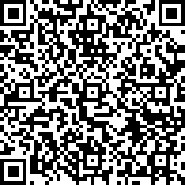
De Stadsjutters
NL90 SNSB 0339 4327 72
Reference: ravevdrafelranden
NL:
Heb je andere ideeën waarmee je ons financieel kan bijstaan? Denk aan een benefiet, fonds of anderszins?
EN:
Do you have any other ideas to help us out financially? Think of throwing a benefit, funding or in any other way?
NL:
Het organiseren van deze demo doen we met veel liefde en strijdvaardige toewijding.
Geld hebben we helaas niet zoveel, maar is wel nodig (o.a. voor promotie, benzine, generator, eten voor vrijwilligers..) Donaties zijn daarom welkom!
EN:
We organize this demo with much love and fighting dedication. Unfortunately, we don't have much money, but it is needed (among other things for promotion, petrol, generator, food for volunteers..)
Donations are therefore welcome!
De Stadsjutters
NL90 SNSB 0339 4327 72
Reference: ravevdrafelranden
NL:
Heb je andere ideeën waarmee je ons financieel kan bijstaan? Denk aan een benefiet, fonds of anderszins?
EN:
Do you have any other ideas to help us out financially?
Think of throwing a benefit, funding or in any other way?
NL:
Het organiseren van deze demo doen we met veel liefde en strijdvaardige toewijding.
Geld hebben we helaas niet zoveel, maar is wel nodig (o.a. voor promotie, benzine, generator, eten voor vrijwilligers..)
Donaties zijn daarom welkom!
EN:
We organize this demo with much love and fighting dedication.
Unfortunately, we don't have much money, but it is needed (among other things for promotion, petrol, generator, food for volunteers..)
Donations are therefore welcome!

RAVE VOOR DE RAFELRANDEN
Het mycelium als voorbeeld voor een non-hiërarchische maatschappij.
Zoals elk jaar staan we als Rave voor de Rafelranden op tegen de gevestigde maatschappij. Voor en met mensen die daar niet in passen, en dat ook niet willen. Deze demonstratie is voor de rafelranden, de vrijdenkers, de activisten en de makers. Wat ooit van ons was, is onbetaalbaar geworden. Wij eisen ruimtes om te creëren, te spelen, te experimenteren en te bestaan. Een Utrecht met ruimte voor iedereen. Wij doorbreken de aangeleerde hulpeloosheid en pakken samen de macht over ons eigen leven terug. Wij weigeren ons te laten reduceren tot consumenten en toeschouwers.
Ook dit jaar doen we meer dan alleen verzet tonen, we laten zien wat er mogelijk is.
Hoe de wereld er volgens ons uit kan –en zou moeten– zien. Een wereld van vrijheid, verbondenheid en harmonie, een wereld op basis van anarchie. Iets wat we zelden nog terugzien in de gangbare maatschappij. Er bestaat echter een plek waar dit wél gebeurt, een plek zonder hiërarchie, zonder centrale controle, waar alles samenwerkt en elkaar versterkt. Een onzichtbaar universum onder onze voeten: het mycelium. Zoals netwerken van schimmels elkaar voeden, ondersteunen en verbinden, zo kunnen wij dat ook.
Mycelium - het netwerk van alle draden van een schimmel, vergelijkbaar met wortels van een plant
Terwijl de boomtoppen bovengronds naar eenzame hoogtes rijken en zich solitair doen overkomen, vind je in de ondergrond symbiotische schimmels die zij aan zij leven met boomwortels en strekken hun schimmeldraden uit: de lange myceliumdraden die een grote gemeenschap van bomen, planten en bacteriën met elkaar verbinden. Zij belichamen een manier van relateren die geworteld is in de erkenning van verschillen en de kracht van een collectief systeem. Mycorrhizaschimmels maken verstrengelingen tussen verschillende soorten mogelijk. Ze zijn niet alleen verantwoordelijk voor het verbeteren van de overdracht van voedingsstoffen tussen naburige soorten, maar ook voor het faciliteren van een uitgebreid communicatienetwerk tussen verre verwanten. Ze verbinden verre delen van het bos en doorbreken daarmee de grenzen van fysieke lokaliteit.
Net als schimmels bevinden wij ons in de ondergrond en bouwen wij daar aan een netwerk, dat opzoek is naar verbinding en verwantschap met onze omgeving en die omgeving tot ontwikkeling te brengen. Net als mycorrhizaschimmels dragen wij de verantwoordelijkheid voor het in stand houden van verschil en veelvormigheid als een instrument voor emancipatie, essentieel voor de vitaliteit van het symbiotische systeem waar wij deel van uitmaken.
Anarchisme
Het leven evolueert niet uitsluitend door competitie, of survival of the fittest, maar door voortdurende symbiotische interactie.
Anarchisme is geen chaos, maar een verzetsbeweging van bewuste, doordachte opstandigheid. Een beweging van mensen die zich verzetten tegen onderdrukking, tegen uitbuiting, en tegen elke vorm van overheersing en opgelegde macht die onze vrijheid schendt. Het is de filosofie van een nieuwe sociale ordening gebaseerd op een vrijheid die niet ingeperkt wordt door wetten die door mensen zijn gemaakt; de theorie dat elke vorm van regering op geweld berust, en dat die daarom verkeerd, schadelijk en onnodig zijn. Een afwijzing van staat, kapitalisme en alle aanverwante instellingen met hiërarchisch gestructureerde en opgelegde autoriteit. Elke vorm van regering leunt op dwang en is daarom niet alleen onnodig maar ook schadelijk.
We stellen een andere wereld voor. Een samenleving gebaseerd op zelfbestuur, gelijkwaardigheid en autonomie. Een wereld waarin vrijheid niet wordt begrensd door wetten die van bovenaf worden opgelegd. We nodigen iedereen uit om te ervaren hoe het is om samen te leven zonder oordeel. Hoe leuk het kan zijn als we de ruimte krijgen om te spelen en te zijn, zonder be- en veroordeeld te worden op basis van financiële status, productiviteit en succes. Samen.
Anarchisme en antifascisme
Wij bestaan niet alleen. Organismen worden gevormd door hun veelvormigheid. De aarde is geëvolueerd vanuit een proces van voortdurende differentiatie en onderlinge samenhang; een pleksgewijs weefsel van verbindingen waarin het verleden doorklinkt in de toekomst. Verschil is de katalysator voor verandering, voor evolutie. Door samen te werken met een veelheid aan verschillende lichamen wordt het leven rijk en vol nieuwe mogelijkheden; het evolueert coöperatief en collectief voor het welzijn van de gemeenschap.
Een wereld gebaseerd op gelijkwaardigheid kan niet bestaan naast systemen die onderdrukking en hiërarchie verheerlijken. Daarom is verzet tegen fascisme onlosmakelijk verbonden met anarchisme. Fascisme draait om autoriteit, hiërarchie en gehoorzaamheid. Het verheerlijkt de sterke leider, onderdrukt afwijkende stemmen en gebruikt geweld om controle te behouden. Daarbij werkt het met een alles bepalende 'staat'. Voor ons is dat onacceptabel, onze strijd is geworteld in het verzet tegen onderdrukking, of die nu komt in de vorm van fascisme, imperialisme, bezetting of staatsgeweld. We kiezen nooit de kant van de staat, het bestaan hiervan is iets dat inherent niet bij onze waarden past. We kiezen voor mensen, voor de onderdrukten, voor degenen die geen stem krijgen. Daarom zullen we ons altijd verzetten tegen systemen die ongelijkheid en geweld in stand houden.
Ons verzet tegen onderdrukkende systemen stopt niet bij kritiek alleen. In de praktijk bouwen we met een DIY (Do It Yourself) – cultuur aan concrete alternatieven die onze waarden van gelijkheid en zelforganisatie belichamen.
DIY-cultuur
Terwijl de mens de wereld kauwt en weer uitspugen in een samensmelting van chemische drab die territoria markeert, reageren schimmels actief op deze diepgaande transformaties.
We bouwen aan zelforganisatie op basis van gelijkheid, inclusie, toegankelijkheid, participatie en samenwerking. Zonder winst als drijfveer. DIY is een manier van denken en doen die het idee doorbreekt dat we afhankelijk moeten zijn van systemen die voor ons bepalen wat we nodig hebben en hoe we dat krijgen. In plaats daarvan kiezen we ervoor om zelf te leren, elkaar te onderwijzen en voor gelijkwaardige en collectieve besluitvorming. Dit betekent dat we verantwoordelijkheid nemen voor ons eigen leven, maar ook voor de mensen om ons heen. We laten zien wat er mogelijk is met niets anders dan onze energie, ideeën en de kracht van gemeenschap. Het biedt een manier om macht en controle over ons eigen leven terug te nemen. Wat we in de DIY-cultuur in de praktijk brengen, vraagt ook om fysieke ruimte om te kunnen bestaan. Vrijplaatsen bieden die ruimte, waarin zelforganisatie en onafhankelijkheid daadwerkelijk kunnen groeien.
Vrijplaatsen
Wij bestaan niet alleen. Organismen worden gevormd door hun veelvormigheid. De aarde is geëvolueerd vanuit een proces van voortdurende differentiatie en onderlinge samenhang; een pleksgewijs weefsel van verbindingen waarin het verleden doorklinkt in de toekomst. Verschil is de katalysator voor verandering, voor evolutie. Door samen te werken met een veelheid aan verschillende lichamen wordt het leven rijk en vol nieuwe mogelijkheden; het evolueert coöperatief en collectief voor het welzijn van de gemeenschap.
Vanuit bevolking gecreëerde vrijplaatsen waar mensen zelf bepalen wat er gebeurd en hoe het gebeurt zijn plekken die bescherming verdienen en helaas ook nodig hebben. Als rave voor de rafelranden staan wij achter deze vrijplaatsen en willen wij ons hard maken voor het behoud en tot stand komen van deze plekken. Wij zien vrijplaatsen als van onderaf georganiseerde plaatsen waar geen overheidsbemoeienis is of subsidie gebruikt wordt om de plek in stand te houden. Wij realiseren ons dat in een gereguleerd land als Nederland je eigenlijk nooit helemaal zonder overheidsbemoeienis kan, maar het minimaliseren van de invloed op vrijplaatsen is voor ons belangrijk om zo het eigen karakter te kunnen behouden. Wij zien hierin dat plekken die door gemeenten zijn opgezet en gesubsidieerd zich aan regels en restricties moeten houden, die ervoor zorgen dat een plek niet tot zijn volledige uiting kan komen.
Creatieve mensen moeten niet beperkt worden door wat voorgeschreven wordt of door wat er verwacht wordt, creatieve mensen moeten de ruimte krijgen om hun creativiteit de vrije loop te laten en zich volledig op hun creativiteit te kunnen storten, zonder hierbij te denken aan winst, het blij maken van een ambtenaar of gebonden te zijn aan voorschriften, maar met een focus op het maken van iets moois, iets prikkelends of iets wat raakt op andere manieren. Creatievelingen verdienen meer ruimte in onze cultuur en wij zijn er om die ruimte op te eisen!
Kraken
Schimmels kunnen terugvechten voor hun thuis door bij de minste aanwijzing van zwakte vraatzuchtig, niet-inheemse, door de mens aangelegde bossen te infecteren. Wanneer het landschap wordt ingezet voor winstbejag en nieuwe soorten in nieuwe territoria worden geïntroduceerd, worden schimmels radicale activisten voor de homeostase van hun bio metropolis en vallen ze de bron van de verstoring aan.
Vrijplaatsen laten zien wat er mogelijk is wanneer we ruimte krijgen. Kraken is hoe we die ruimte opeisen. Kraken gaat voor ons over ruimte maken waar die ontbreekt.
Over leegstaande plekken opnieuw gebruiken en er iets levends van maken. Voor wonen, voor kunst, voor ontmoeting. Het is een manier om niet alleen toe te kijken, maar zelf iets te veranderen. Wij kraken niet alleen gebouwen, wij kraken het systeem. Want kraken is meer dan het bezetten van leegstaande panden. Kraken is verzet, een daad van solidariteit en gemeenschapszin.
Dit is geen roep om toestemming. Dit is een verklaring. Dit is ons moment. Onze strijd. Onze stad. En wij zijn hier om haar terug te claimen.
Onze strijd stopt niet bij stenen en gebouwen. Ze strekt zich uit tot alles wat essentieel is om vrij en waardig te leven, waaronder voedsel.
Voedselvrijheid
In het licht van de wereldwijde milieucrisis zijn mycorrhizaschimmels cruciaal voor het vergroten van de veerkracht van het leven in de bodem. Ze zijn verantwoordelijk voor het ontbinden van dode organismen en het teruggeven van voedingsstoffen aan het land.
Het huidige voedselsysteem maakt mensen kwetsbaar en afhankelijk. Het stelt winst boven welzijn en creëert ongelijkheid. Voedsel is een recht, geen winstproduct, en zou nooit onder controle door grote bedrijven of elites mogen staan. Voedsel is iets van iedereen, niet iets waar macht over uitgeoefend mag worden. Voedselvrijheid is een manier om macht terug te nemen, gemeenschappen sterker te maken en onafhankelijker te worden.
Voedselvrijheid betekent dat we zelf bepalen hoe voedsel wordt geproduceerd, verdeeld en gedeeld. Niet gestuurd door winst, maar door behoefte. Niet gecontroleerd door bedrijven, maar gedragen door gemeenschappen. DIY speelt hierin een cruciale rol; zelf voedsel verbouwen in moestuinen en buurtprojecten, voedsel delen via netwerken en collectieve keukens, kennis uitwisselen (van koken tot conserveren). Het is een manier om autonomie terug te nemen en zorg te dragen voor elkaar. Om sterker en onafhankelijker te worden.
Voedsel is geen product, het is een recht. En het hoort van iedereen te zijn.
Vrije kunst en cultuur
Het is door middel van relaties dat lichamen zich uitdrukken en nieuwe toekomsten creëren. We zijn nooit geïsoleerde wezens; we zijn systemen van verstrengelde verbindingen en dat moeten we erkennen.
Net zoals voedsel van iedereen zou moeten zijn, geldt dat ook voor de manier waarop we cultuur creëren en beleven. Vrije kunst en cultuur zijn een logisch verlengstuk van diezelfde strijd voor toegankelijkheid en autonomie.
Kunst en cultuur zijn bepalende elementen van iedere samenleving. Kunst zet ons aan het denken, verbindt ons en laat ons op een andere manier kijken naar bepaalde onderwerpen. Kunst is een belangrijk onderdeel in het web van cultuur, daarnaast bestaat een cultuur ook uit de taal, de overtuigingen en de omgangsvormen. Wij zijn ervan overtuigd dat het delen en vrij gebruiken van deze dingen leidt tot een bloeiende en bruisende cultuur waarin mensen tot ontwikkeling komen. Wij zien ook dat in de huidige maatschappij dingen als patenten, auteursrecht en andere vormen van eigendom ertoe leiden dat we stil blijven staan als cultuur. Uiteraard moet er met het vrij gebruiken van cultuur rekening worden gehouden met gevoeligheden en respect zijn voor andere vormen, ook is het belangrijk om de origine van culturele elementen te erkennen en te waarderen.
Een vrije cultuur kan niet bestaan in een wereld met grenzen, voor een vrije cultuur is er vrijheid van beweging nodig. Een cultuur is dynamisch en heeft dus een constante instroom en uitstroom van nieuwe en oude elementen. Zolang alleen mensen uit rijke landen of mensen met het geluk in een rijke familie geboren zijn, vrij kunnen reizen zal cultuur nooit tot de volledige potentie kunnen komen. Op deze manier zal de cultuur bepaald worden door wie het kan betalen en zullen de minder bedeelden niet kunnen deelnemen aan het ontwikkelen van cultuur.
WIj willen graag dat we collectief vooruit gaan en staan voor vrije kunst en cultuur. Wij zien liever creatie dan winst, we zien liever samenwerking dan eigenbelang.
We zien liever een bloeiende cultuur dan een rigide hiërarchische structuur!!!
Free party
Van onze eendrachtig samenwerkende organen, die samen een homeostatisch lied spelen, tot onze darmflora en haar sleutelrol in de spijsvertering: wij zijn een veelheid. Een verbintenis van meerdere levensvormen die zich hebben gedifferentieerd uit één enkel organisme.
Deel van vrije cultuur is zeker ook de free party scene. Een plek waar mensen in een tijdelijke autonome zone samenkomen om te creëren, genieten, vrijheid te voelen en even niet aan de wereld van regeltjes daarbuiten hoeven te denken. Wij willen een wereld waar autonome zones, niet vervolgd worden maar gevierd, waar deze plekken makkelijker permanent kunnen worden. We willen in vrijheid kunnen creëren zonder podium, rijen en stoelnummer, zonder tickets en zonder vaste begin of eind tijden.
Free party draait om het terugpakken wat van ons is, het draait om samen komen op plekken waar niets mee gedaan wordt, maar die geclaimd zijn en waarvan gezegd wordt dat eigendom belangrijker is dan het samenkomen van mensen. In free party draait het ook om eigen verantwoordelijkheid, doordat een free party voor iedereen is heeft niemand de verantwoordelijkheid over het geheel en moeten we met zijn allen verantwoordelijk zijn. Hierin gaat het over het schoon achterlaten van de plek, zorgen voor het welzijn van jezelf en anderen, zorgen dat mensen elkaar goed behandelen.
Compostering van de staat
Door samen te werken en middelen te delen niet op een hiërarchische en geïsoleerde manier, maar op een myceliale wijze, geworteld in rhizomatische verstrengeling en samenwerking kan een gemeenschap bloeien, creëren en evolueren!
Wij weigeren toe te kijken. We laten vandaag en elke dag na deze van ons horen voor zelfgeorganiseerde plekken, gebouwd op gemeenschap, niet op winst, consumptie- en productiedrang.
We wachten niet tot het beleid verandert. Wij kúnnen niet wachten.
We organiseren onszelf met liefde en gedeelde verantwoordelijkheid.
Wij bouwen onze eigen initiatieven.
Wij zijn hier.
Om te laten zien wat mogelijk is door collectieve autonomie.
Voor ruimte waar iedereen vrij kan ademen en zichzelf kan zijn.
Het mycelium als voorbeeld voor een non-hiërarchische maatschappij.
Zoals elk jaar staan we als Rave voor de Rafelranden op tegen de gevestigde maatschappij. Voor en met mensen die daar niet in passen, en dat ook niet willen. Deze demonstratie is voor de rafelranden, de vrijdenkers, de activisten en de makers. Wat ooit van ons was, is onbetaalbaar geworden. Wij eisen ruimtes om te creëren, te spelen, te experimenteren en te bestaan. Een Utrecht met ruimte voor iedereen. Wij doorbreken de aangeleerde hulpeloosheid en pakken samen de macht over ons eigen leven terug. Wij weigeren ons te laten reduceren tot consumenten en toeschouwers.
Ook dit jaar doen we meer dan alleen verzet tonen, we laten zien wat er mogelijk is.
Hoe de wereld er volgens ons uit kan –en zou moeten– zien. Een wereld van vrijheid, verbondenheid en harmonie, een wereld op basis van anarchie. Iets wat we zelden nog terugzien in de gangbare maatschappij. Er bestaat echter een plek waar dit wél gebeurt, een plek zonder hiërarchie, zonder centrale controle, waar alles samenwerkt en elkaar versterkt. Een onzichtbaar universum onder onze voeten: het mycelium. Zoals netwerken van schimmels elkaar voeden, ondersteunen en verbinden, zo kunnen wij dat ook.
Mycelium - het netwerk van alle draden van een schimmel, vergelijkbaar met wortels van een plant
Terwijl de boomtoppen bovengronds naar eenzame hoogtes rijken en zich solitair doen overkomen, vind je in de ondergrond symbiotische schimmels die zij aan zij leven met boomwortels en strekken hun schimmeldraden uit: de lange myceliumdraden die een grote gemeenschap van bomen, planten en bacteriën met elkaar verbinden. Zij belichamen een manier van relateren die geworteld is in de erkenning van verschillen en de kracht van een collectief systeem. Mycorrhizaschimmels maken verstrengelingen tussen verschillende soorten mogelijk. Ze zijn niet alleen verantwoordelijk voor het verbeteren van de overdracht van voedingsstoffen tussen naburige soorten, maar ook voor het faciliteren van een uitgebreid communicatienetwerk tussen verre verwanten. Ze verbinden verre delen van het bos en doorbreken daarmee de grenzen van fysieke lokaliteit.
Net als schimmels bevinden wij ons in de ondergrond en bouwen wij daar aan een netwerk, dat opzoek is naar verbinding en verwantschap met onze omgeving en die omgeving tot ontwikkeling te brengen. Net als mycorrhizaschimmels dragen wij de verantwoordelijkheid voor het in stand houden van verschil en veelvormigheid als een instrument voor emancipatie, essentieel voor de vitaliteit van het symbiotische systeem waar wij deel van uitmaken.
Anarchisme
Het leven evolueert niet uitsluitend door competitie, of survival of the fittest, maar door voortdurende symbiotische interactie.
Anarchisme is geen chaos, maar een verzetsbeweging van bewuste, doordachte opstandigheid. Een beweging van mensen die zich verzetten tegen onderdrukking, tegen uitbuiting, en tegen elke vorm van overheersing en opgelegde macht die onze vrijheid schendt. Het is de filosofie van een nieuwe sociale ordening gebaseerd op een vrijheid die niet ingeperkt wordt door wetten die door mensen zijn gemaakt; de theorie dat elke vorm van regering op geweld berust, en dat die daarom verkeerd, schadelijk en onnodig zijn. Een afwijzing van staat, kapitalisme en alle aanverwante instellingen met hiërarchisch gestructureerde en opgelegde autoriteit. Elke vorm van regering leunt op dwang en is daarom niet alleen onnodig maar ook schadelijk.
We stellen een andere wereld voor. Een samenleving gebaseerd op zelfbestuur, gelijkwaardigheid en autonomie. Een wereld waarin vrijheid niet wordt begrensd door wetten die van bovenaf worden opgelegd. We nodigen iedereen uit om te ervaren hoe het is om samen te leven zonder oordeel. Hoe leuk het kan zijn als we de ruimte krijgen om te spelen en te zijn, zonder be- en veroordeeld te worden op basis van financiële status, productiviteit en succes. Samen.
Anarchisme en antifascisme
Wij bestaan niet alleen. Organismen worden gevormd door hun veelvormigheid. De aarde is geëvolueerd vanuit een proces van voortdurende differentiatie en onderlinge samenhang; een pleksgewijs weefsel van verbindingen waarin het verleden doorklinkt in de toekomst. Verschil is de katalysator voor verandering, voor evolutie. Door samen te werken met een veelheid aan verschillende lichamen wordt het leven rijk en vol nieuwe mogelijkheden; het evolueert coöperatief en collectief voor het welzijn van de gemeenschap.
Een wereld gebaseerd op gelijkwaardigheid kan niet bestaan naast systemen die onderdrukking en hiërarchie verheerlijken. Daarom is verzet tegen fascisme onlosmakelijk verbonden met anarchisme. Fascisme draait om autoriteit, hiërarchie en gehoorzaamheid. Het verheerlijkt de sterke leider, onderdrukt afwijkende stemmen en gebruikt geweld om controle te behouden. Daarbij werkt het met een alles bepalende 'staat'. Voor ons is dat onacceptabel, onze strijd is geworteld in het verzet tegen onderdrukking, of die nu komt in de vorm van fascisme, imperialisme, bezetting of staatsgeweld. We kiezen nooit de kant van de staat, het bestaan hiervan is iets dat inherent niet bij onze waarden past. We kiezen voor mensen, voor de onderdrukten, voor degenen die geen stem krijgen. Daarom zullen we ons altijd verzetten tegen systemen die ongelijkheid en geweld in stand houden.
Ons verzet tegen onderdrukkende systemen stopt niet bij kritiek alleen. In de praktijk bouwen we met een DIY (Do It Yourself) – cultuur aan concrete alternatieven die onze waarden van gelijkheid en zelforganisatie belichamen.
DIY-cultuur
Terwijl de mens de wereld kauwt en weer uitspugen in een samensmelting van chemische drab die territoria markeert, reageren schimmels actief op deze diepgaande transformaties.
We bouwen aan zelforganisatie op basis van gelijkheid, inclusie, toegankelijkheid, participatie en samenwerking. Zonder winst als drijfveer. DIY is een manier van denken en doen die het idee doorbreekt dat we afhankelijk moeten zijn van systemen die voor ons bepalen wat we nodig hebben en hoe we dat krijgen. In plaats daarvan kiezen we ervoor om zelf te leren, elkaar te onderwijzen en voor gelijkwaardige en collectieve besluitvorming. Dit betekent dat we verantwoordelijkheid nemen voor ons eigen leven, maar ook voor de mensen om ons heen. We laten zien wat er mogelijk is met niets anders dan onze energie, ideeën en de kracht van gemeenschap. Het biedt een manier om macht en controle over ons eigen leven terug te nemen. Wat we in de DIY-cultuur in de praktijk brengen, vraagt ook om fysieke ruimte om te kunnen bestaan. Vrijplaatsen bieden die ruimte, waarin zelforganisatie en onafhankelijkheid daadwerkelijk kunnen groeien.
Vrijplaatsen
Wij bestaan niet alleen. Organismen worden gevormd door hun veelvormigheid. De aarde is geëvolueerd vanuit een proces van voortdurende differentiatie en onderlinge samenhang; een pleksgewijs weefsel van verbindingen waarin het verleden doorklinkt in de toekomst. Verschil is de katalysator voor verandering, voor evolutie. Door samen te werken met een veelheid aan verschillende lichamen wordt het leven rijk en vol nieuwe mogelijkheden; het evolueert coöperatief en collectief voor het welzijn van de gemeenschap.
Vanuit bevolking gecreëerde vrijplaatsen waar mensen zelf bepalen wat er gebeurd en hoe het gebeurt zijn plekken die bescherming verdienen en helaas ook nodig hebben. Als rave voor de rafelranden staan wij achter deze vrijplaatsen en willen wij ons hard maken voor het behoud en tot stand komen van deze plekken. Wij zien vrijplaatsen als van onderaf georganiseerde plaatsen waar geen overheidsbemoeienis is of subsidie gebruikt wordt om de plek in stand te houden. Wij realiseren ons dat in een gereguleerd land als Nederland je eigenlijk nooit helemaal zonder overheidsbemoeienis kan, maar het minimaliseren van de invloed op vrijplaatsen is voor ons belangrijk om zo het eigen karakter te kunnen behouden. Wij zien hierin dat plekken die door gemeenten zijn opgezet en gesubsidieerd zich aan regels en restricties moeten houden, die ervoor zorgen dat een plek niet tot zijn volledige uiting kan komen.
Creatieve mensen moeten niet beperkt worden door wat voorgeschreven wordt of door wat er verwacht wordt, creatieve mensen moeten de ruimte krijgen om hun creativiteit de vrije loop te laten en zich volledig op hun creativiteit te kunnen storten, zonder hierbij te denken aan winst, het blij maken van een ambtenaar of gebonden te zijn aan voorschriften, maar met een focus op het maken van iets moois, iets prikkelends of iets wat raakt op andere manieren. Creatievelingen verdienen meer ruimte in onze cultuur en wij zijn er om die ruimte op te eisen!
Kraken
Schimmels kunnen terugvechten voor hun thuis door bij de minste aanwijzing van zwakte vraatzuchtig, niet-inheemse, door de mens aangelegde bossen te infecteren. Wanneer het landschap wordt ingezet voor winstbejag en nieuwe soorten in nieuwe territoria worden geïntroduceerd, worden schimmels radicale activisten voor de homeostase van hun bio metropolis en vallen ze de bron van de verstoring aan.
Vrijplaatsen laten zien wat er mogelijk is wanneer we ruimte krijgen. Kraken is hoe we die ruimte opeisen. Kraken gaat voor ons over ruimte maken waar die ontbreekt.
Over leegstaande plekken opnieuw gebruiken en er iets levends van maken. Voor wonen, voor kunst, voor ontmoeting. Het is een manier om niet alleen toe te kijken, maar zelf iets te veranderen. Wij kraken niet alleen gebouwen, wij kraken het systeem. Want kraken is meer dan het bezetten van leegstaande panden. Kraken is verzet, een daad van solidariteit en gemeenschapszin.
Dit is geen roep om toestemming. Dit is een verklaring. Dit is ons moment. Onze strijd. Onze stad. En wij zijn hier om haar terug te claimen.
Onze strijd stopt niet bij stenen en gebouwen. Ze strekt zich uit tot alles wat essentieel is om vrij en waardig te leven, waaronder voedsel.
Voedselvrijheid
In het licht van de wereldwijde milieucrisis zijn mycorrhizaschimmels cruciaal voor het vergroten van de veerkracht van het leven in de bodem. Ze zijn verantwoordelijk voor het ontbinden van dode organismen en het teruggeven van voedingsstoffen aan het land.
Het huidige voedselsysteem maakt mensen kwetsbaar en afhankelijk. Het stelt winst boven welzijn en creëert ongelijkheid. Voedsel is een recht, geen winstproduct, en zou nooit onder controle door grote bedrijven of elites mogen staan. Voedsel is iets van iedereen, niet iets waar macht over uitgeoefend mag worden. Voedselvrijheid is een manier om macht terug te nemen, gemeenschappen sterker te maken en onafhankelijker te worden.
Voedselvrijheid betekent dat we zelf bepalen hoe voedsel wordt geproduceerd, verdeeld en gedeeld. Niet gestuurd door winst, maar door behoefte. Niet gecontroleerd door bedrijven, maar gedragen door gemeenschappen. DIY speelt hierin een cruciale rol; zelf voedsel verbouwen in moestuinen en buurtprojecten, voedsel delen via netwerken en collectieve keukens, kennis uitwisselen (van koken tot conserveren). Het is een manier om autonomie terug te nemen en zorg te dragen voor elkaar. Om sterker en onafhankelijker te worden.
Voedsel is geen product, het is een recht. En het hoort van iedereen te zijn.
Vrije kunst en cultuur
Het is door middel van relaties dat lichamen zich uitdrukken en nieuwe toekomsten creëren. We zijn nooit geïsoleerde wezens; we zijn systemen van verstrengelde verbindingen en dat moeten we erkennen.
Net zoals voedsel van iedereen zou moeten zijn, geldt dat ook voor de manier waarop we cultuur creëren en beleven. Vrije kunst en cultuur zijn een logisch verlengstuk van diezelfde strijd voor toegankelijkheid en autonomie.
Kunst en cultuur zijn bepalende elementen van iedere samenleving. Kunst zet ons aan het denken, verbindt ons en laat ons op een andere manier kijken naar bepaalde onderwerpen. Kunst is een belangrijk onderdeel in het web van cultuur, daarnaast bestaat een cultuur ook uit de taal, de overtuigingen en de omgangsvormen. Wij zijn ervan overtuigd dat het delen en vrij gebruiken van deze dingen leidt tot een bloeiende en bruisende cultuur waarin mensen tot ontwikkeling komen. Wij zien ook dat in de huidige maatschappij dingen als patenten, auteursrecht en andere vormen van eigendom ertoe leiden dat we stil blijven staan als cultuur. Uiteraard moet er met het vrij gebruiken van cultuur rekening worden gehouden met gevoeligheden en respect zijn voor andere vormen, ook is het belangrijk om de origine van culturele elementen te erkennen en te waarderen.
Een vrije cultuur kan niet bestaan in een wereld met grenzen, voor een vrije cultuur is er vrijheid van beweging nodig. Een cultuur is dynamisch en heeft dus een constante instroom en uitstroom van nieuwe en oude elementen. Zolang alleen mensen uit rijke landen of mensen met het geluk in een rijke familie geboren zijn, vrij kunnen reizen zal cultuur nooit tot de volledige potentie kunnen komen. Op deze manier zal de cultuur bepaald worden door wie het kan betalen en zullen de minder bedeelden niet kunnen deelnemen aan het ontwikkelen van cultuur.
WIj willen graag dat we collectief vooruit gaan en staan voor vrije kunst en cultuur. Wij zien liever creatie dan winst, we zien liever samenwerking dan eigenbelang.
We zien liever een bloeiende cultuur dan een rigide hiërarchische structuur!!!
Free party
Van onze eendrachtig samenwerkende organen, die samen een homeostatisch lied spelen, tot onze darmflora en haar sleutelrol in de spijsvertering: wij zijn een veelheid. Een verbintenis van meerdere levensvormen die zich hebben gedifferentieerd uit één enkel organisme.
Deel van vrije cultuur is zeker ook de free party scene. Een plek waar mensen in een tijdelijke autonome zone samenkomen om te creëren, genieten, vrijheid te voelen en even niet aan de wereld van regeltjes daarbuiten hoeven te denken. Wij willen een wereld waar autonome zones, niet vervolgd worden maar gevierd, waar deze plekken makkelijker permanent kunnen worden. We willen in vrijheid kunnen creëren zonder podium, rijen en stoelnummer, zonder tickets en zonder vaste begin of eind tijden.
Free party draait om het terugpakken wat van ons is, het draait om samen komen op plekken waar niets mee gedaan wordt, maar die geclaimd zijn en waarvan gezegd wordt dat eigendom belangrijker is dan het samenkomen van mensen. In free party draait het ook om eigen verantwoordelijkheid, doordat een free party voor iedereen is heeft niemand de verantwoordelijkheid over het geheel en moeten we met zijn allen verantwoordelijk zijn. Hierin gaat het over het schoon achterlaten van de plek, zorgen voor het welzijn van jezelf en anderen, zorgen dat mensen elkaar goed behandelen.
Compostering van de staat
Door samen te werken en middelen te delen niet op een hiërarchische en geïsoleerde manier, maar op een myceliale wijze, geworteld in rhizomatische verstrengeling en samenwerking kan een gemeenschap bloeien, creëren en evolueren!
Wij weigeren toe te kijken. We laten vandaag en elke dag na deze van ons horen voor zelfgeorganiseerde plekken, gebouwd op gemeenschap, niet op winst, consumptie- en productiedrang.
We wachten niet tot het beleid verandert. Wij kúnnen niet wachten.
We organiseren onszelf met liefde en gedeelde verantwoordelijkheid.
Wij bouwen onze eigen initiatieven.
Wij zijn hier.
Om te laten zien wat mogelijk is door collectieve autonomie.
Voor ruimte waar iedereen vrij kan ademen en zichzelf kan zijn.
Om onze eigen toekomst op te bouwen.
Wij zijn hier.
Om onze eigen toekomst op te bouwen.
Wij zijn hier.
RAVE VOOR DE RAFELRANDEN
Mycelium as an example for a non-hierarchical society.
Like every year, we as Rave voor de rafelranden, stand up against the established society. For and with people who do not fit into it, and who do not want to. This demonstration is for the underground, the free thinkers, the activists and the makers. What was once ours has become unaffordable. We demand spaces to create, to play, to experiment and to exist. An Utrecht with space for everyone. We break through learned helplessness and together take back power over our own lives. We refuse to be reduced to consumers and spectators.
This year we again do more than just show resistance, we show what is possible.
What the world could look like —and should look like— according to us. A world of freedom, connection and harmony, a world based on anarchy. Something we rarely still see in mainstream society. However, there exists a place where this does happen: a place without hierarchy, without central control, where everything cooperates and strengthens one another. An invisible universe beneath our feet: the mycelium. Just as networks of fungi nourish, support and connect each other, so can we.
Mycelium- is a root-like structure of a fungus consisting of a mass of branching, thread-like hyphae
While treetops above ground reach for solitary heights and appear individual, underground there are symbiotic fungi to be found, living side by side with tree roots, extending their threads: the long mycelial threads that connect a vast community of trees, plants and bacteria. They embody a way of relating rooted in the recognition of differences and the strength of a collective system. Mycorrhizal fungi create entanglements between different species. They are not only responsible for improving the transfer of nutrients between neighboring species, but also for facilitating an extensive communication network between distant relatives. They connect distant parts of the forest and thereby break through the limits of physical locality.
Like fungi, we exist underground and build a network there, seeking connection and kinship with our surroundings and helping that environment to develop. Like mycorrhizal fungi, we carry responsibility for maintaining difference and diversity as an instrument for emancipation, essential for the vitality of the symbiotic system we are part of.
Anarchism
Life does not evolve solely through competition, or survival of the fittest, but through continuous symbiotic interaction.
Anarchism is not chaos, but a resistance movement of conscious, deliberate rebellion. A movement of people who oppose oppression, exploitation, and every form of domination and imposed power that violates our freedom. It is the philosophy of a new social order based on a freedom not restricted by laws made by people; the theory that every form of government rests on violence, and is therefore wrong, harmful and unnecessary. A rejection of the state, capitalism, and all related institutions with hierarchically structured and imposed authority. Every form of government relies on coercion and is therefore not only unnecessary but also harmful.
We propose another world. A society based on self-governance, equality and autonomy. A world in which freedom is not limited by laws imposed from above. We invite everyone to experience what it is like to live together without judgment. How enjoyable it can be when we are given space to play and to be, without being judged or condemned based on financial status, productivity or success. Together.
Anarchism and Antifascism
We do not exist alone. Organisms are shaped by their diversity. The earth has evolved through a process of continuous differentiation and interconnection; a patchwork of relationships in which the past resonates into the future. Difference is the catalyst for change, for evolution. By cooperating with a multitude of different bodies, life becomes rich and full of new possibilities; it evolves cooperatively and collectively for the well-being of the community.
A world based on equality cannot exist alongside systems that glorify oppression and hierarchy. Therefore, resistance against fascism is inseparably connected to anarchism. Fascism revolves around authority, hierarchy and obedience. It glorifies the strong leader, suppresses dissenting voices and uses violence to maintain control. It operates through an all-determining “state.” For us, this is unacceptable. Our struggle is rooted in resistance against oppression, whether it takes the form of fascism, imperialism, occupation or state violence. We never choose the side of the state; its existence is inherently incompatible with our values. We choose people, the oppressed, those without a voice. That is why we will always resist systems that sustain inequality and violence. Our resistance does not stop at criticism. In practice, we build concrete alternatives through a DIY (Do It Yourself) culture that embodies our values of equality and self-organization.
DIY Culture
While humans chew up the world and spit it back out into a fusion of chemical sludge that marks territories, fungi actively respond to these profound transformations.
We build self-organization based on equality, inclusion, accessibility, participation and cooperation—without profit as a driving force. DIY is a way of thinking and acting that breaks the idea that we must depend on systems that determine what we need and how we obtain it. Instead, we choose to learn ourselves, teach each other, and engage in equal and collective decision-making. This means taking responsibility for our own lives, but also for the people around us. We show what is possible with nothing but our energy, ideas and the power of community. It offers a way to reclaim power and control over our own lives.
What we practice in DIY culture also requires physical space in order to exist. Autonomous spaces provide that room, where self-organization and independence can truly grow.
Free Spaces
We do not exist alone. Organisms are shaped by their diversity. The Earth has evolved through a process of continuous differentiation and interconnection; a patchwork of relationships in which the past echoes into the future. Difference is the catalyst for change, for evolution. By working together with a multiplicity of different bodies, life becomes rich and full of new possibilities; it evolves cooperatively and collectively for the well-being of the community.
Free spaces created by people themselves, where individuals decide what happens and how it happens, are places that deserve protection and (unfortunately) need it. As the Rave voor de Rafelranden, we stand behind these spaces and commit ourselves to their preservation and creation. We see free spaces as places organized from the bottom up, without government interference or reliance on subsidies to keep them going. We understand that in a highly regulated country like the Netherlands, complete independence from the state is nearly impossible, but minimizing that influence is essential to preserving their unique character. We see that spaces established and funded by municipalities are bound by rules and restrictions that prevent them from fully expressing what they could be.
Creative people should not be limited by being told what to do or expectations. They need the freedom to let their creativity run wild and to fully immerse themselves in it without having to think about profit, pleasing officials, or complying with imposed frameworks. Instead, the focus should be on creating something beautiful, something provocative, something that resonates in unexpected ways. Creatives deserve more space within our culture and we are here to claim that space!
Squatting
Fungi can fight back for their home by aggressively infecting non-native, human-planted forests at the slightest sign of weakness. When landscapes are exploited for profit and new species are introduced into unfamiliar territories, fungi become radical activists for the homeostasis of their bio-metropolis, attacking the source of the disturbance.
Free spaces show what becomes possible when we are given space. Squatting is how we claim that. For us, squatting is about creating space where it doesn’t exist. Reclaiming abandoned places and bringing them back to life. For living, for art, for connection. It is a way to not just sit and watch, but to actively change things. We don’t just squat buildings, we squat the system. Because squatting is more than occupying empty properties. It is resistance, an act of solidarity and collective spirit.
This is not a request for permission. This is a declaration. This is our moment. Our struggle. Our city. And we are here to reclaim it.
Our struggle does not stop at stones and buildings. It extends to everything essential for a free and dignified life, including food.
Food Freedom
In the face of the global environmental crisis, mycorrhizal fungi are crucial for strengthening the resilience of life in the soil. They are responsible for breaking down dead organisms and returning nutrients to the land.
The current food system makes people vulnerable and dependent. It prioritizes profit over well-being and creates inequality. Food is a right, not a commodity, and should never be controlled by corporations or elites. Food belongs to everyone. It is not something power should be exercised over. Food freedom is a way to reclaim power, to strengthen communities, and to become more independent.
Food freedom means deciding for ourselves how food is produced, distributed, and shared. Not driven by profit, but by need. Not controlled by companies, but sustained by communities. DIY plays a crucial role in this: growing food in gardens and neighborhood projects, sharing food through networks and collective kitchens, exchanging knowledge (from cooking to preservation). It is a way to reclaim autonomy and to care for one another, to become stronger and more independent.
Food is not a product, it is a right. And it belongs to everyone.
Free Art and Culture
It is through relationships that bodies express themselves and create new futures. We are never isolated beings; we are systems of entangled connections, and that must be recognized.
Just as food should belong to everyone, so too should the way we create and experience culture. Free art and culture are a natural extension of that same struggle for accessibility and autonomy. Art and culture are defining elements of every society. Art makes us think, connects us, and allows us to see certain subjects in new ways. It is an essential part of the cultural web, which also includes language, beliefs, and social practices. We believe that sharing and freely using these elements leads to a vibrant, thriving culture in which people can grow and develop. At the same time, we see that in today’s society, things like patents, copyright, and other forms of ownership cause culture to stagnate.
Of course, the free use of culture must come with sensitivity and respect for different forms, and it is important to recognize and value the origins of cultural elements. A free culture cannot exist in a world with borders; it requires freedom of movement. Culture is dynamic and constantly shaped by the flow of new and old influences. As long as only people from wealthy countries, or those born into privilege, can travel freely; culture will never reach its full potential. In that way, culture is shaped by those who can afford it, while others are excluded from participating in its development.
We want to move forward collectively and stand for free art and culture. We choose creation over profit, and collaboration over self-interest. We choose a flourishing culture over a rigid, hierarchical structure!!
Free Party
From our organs working together in harmony, playing a homeostatic song, to our gut flora and its vital role in digestion: we are a multiplicity. A union of multiple life forms that have differentiated from a single organism.
The free party scene is an essential part of free culture. It is a space where people come together in a temporary autonomous zone to create, to enjoy, to feel freedom, and to step outside the rule-bound world beyond. We want a world where autonomous zones are not criminalized but celebrated, where these spaces can more easily become permanent. We want to be able to create freely: without stages, queues, or assigned seats; without tickets; without fixed start or end times.
Free party is about reclaiming what is ours. It is about coming together in places that are left unused, yet claimed, where property is valued above human connection. Free parties are also about shared responsibility. Because a free party belongs to everyone, no single person is in charge of the whole, and we must all take responsibility together. This means leaving the space clean, caring for your own well-being and that of others, and making sure people treat each other with respect.
Composting the State
By working together and sharing resources, not in a hierarchical or isolated way, but in a mycelial way, rooted in rhizomatic entanglement and collaboration, a community can flourish, create, and evolve!
We refuse to stand by.
Today, and every day after this, we make our voices heard for self-organized spaces, built on community, not on profit, consumption, or production pressure.
We will not wait for policy to change. We cannot wait.We organize ourselves with care and shared responsibility.We build our own initiatives.We are here.To show what is possible through collective autonomy.For spaces where everyone can breathe freely and be themselves.
Mycelium as an example for a non-hierarchical society.
Like every year, we as Rave voor de rafelranden, stand up against the established society. For and with people who do not fit into it, and who do not want to. This demonstration is for the underground, the free thinkers, the activists and the makers.
What was once ours has become unaffordable. We demand spaces to create, to play, to experiment and to exist.
An Utrecht with space for everyone. We break through learned helplessness and together take back power over our own lives. We refuse to be reduced to consumers and spectators.
This year we again do more than just show resistance, we show what is possible.What the world could look like —and should look like— according to us.
A world of freedom, connection and harmony, a world based on anarchy. Something we rarely still see in mainstream society. However, there exists a place where this does happen: a place without hierarchy, without central control, where everything cooperates and strengthens one another.
An invisible universe beneath our feet: the mycelium.
Just as networks of fungi nourish, support and connect each other, so can we.
Mycelium- is a root-like structure of a fungus consisting of a mass of branching, thread-like hyphae. While treetops above ground reach for solitary heights and appear individual, underground there are symbiotic fungi to be found, living side by side with tree roots, extending their threads: the long mycelial threads that connect a vast community of trees, plants and bacteria. They embody a way of relating rooted in the recognition of differences and the strength of a collective system. Mycorrhizal fungi create entanglements between different species. They are not only responsible for improving the transfer of nutrients between neighboring species, but also for facilitating an extensive communication network between distant relatives. They connect distant parts of the forest and thereby break through the limits of physical locality.
Like fungi, we exist underground and build a network there, seeking connection and kinship with our surroundings and helping that environment to develop. Like mycorrhizal fungi, we carry responsibility for maintaining difference and diversity as an instrument for emancipation, essential for the vitality of the symbiotic system we are part of.
Anarchism
Life does not evolve solely through competition, or survival of the fittest, but through continuous symbiotic interaction.
Anarchism is not chaos, but a resistance movement of conscious, deliberate rebellion. A movement of people who oppose oppression, exploitation, and every form of domination and imposed power that violates our freedom.
It is the philosophy of a new social order based on a freedom not restricted by laws made by people; the theory that every form of government rests on violence, and is therefore wrong, harmful and unnecessary. A rejection of the state, capitalism, and all related institutions with hierarchically structured and imposed authority.
Every form of government relies on coercion and is therefore not only unnecessary but also harmful.
We propose another world. A society based on self-governance, equality and autonomy. A world in which freedom is not limited by laws imposed from above. We invite everyone to experience what it is like to live together without judgment. How enjoyable it can be when we are given space to play and to be, without being judged or condemned based on financial status, productivity or success. Together.
Anarchism and Antifascism
We do not exist alone. Organisms are shaped by their diversity. The earth has evolved through a process of continuous differentiation and interconnection; a patchwork of relationships in which the past resonates into the future. Difference is the catalyst for change, for evolution. By cooperating with a multitude of different bodies, life becomes rich and full of new possibilities; it evolves cooperatively and collectively for the well-being of the community.A world based on equality cannot exist alongside systems that glorify oppression and hierarchy.
Therefore, resistance against fascism is inseparably connected to anarchism. Fascism revolves around authority, hierarchy and obedience. It glorifies the strong leader, suppresses dissenting voices and uses violence to maintain control. It operates through an all-determining “state.” For us, this is unacceptable. Our struggle is rooted in resistance against oppression, whether it takes the form of fascism, imperialism, occupation or state violence. We never choose the side of the state; its existence is inherently incompatible with our values.
We choose people, the oppressed, those without a voice. That is why we will always resist systems that sustain inequality and violence. Our resistance does not stop at criticism. In practice, we build concrete alternatives through a DIY (Do It Yourself) culture that embodies our values of equality and self-organization.
DIY Culture
While humans chew up the world and spit it back out into a fusion of chemical sludge that marks territories, funghi actively respond to these profound transformations.We build self-organization based on equality, inclusion, accessibility, participation and cooperation—without profit as a driving force.
DIY is a way of thinking and acting that breaks the idea that we must depend on systems that determine what we need and how we obtain it. Instead, we choose to learn ourselves, teach each other, and engage in equal and collective decision-making.
This means taking responsibility for our own lives, but also for the people around us. We show what is possible with nothing but our energy, ideas and the power of community. It offers a way to reclaim power and control over our own lives.What we practice in DIY culture also requires physical space in order to exist.
Autonomous spaces provide that room, where self-organization and independence can truly grow.
Free Spaces .
We do not exist alone.
Organisms are shaped by their diversity. The Earth has evolved through a process of continuous differentiation and interconnection; a patchwork of relationships in which the past echoes into the future.
Difference is the catalyst for change, for evolution.
By working together with a multiplicity of different bodies, life becomes rich and full of new possibilities; it evolves cooperatively and collectively for the well-being of the community.Free spaces created by people themselves, where individuals decide what happens and how it happens, are places that deserve protection and (unfortunately) need it.
As the Rave voor de Rafelranden, we stand behind these spaces and commit ourselves to their preservation and creation. We see free spaces as places organized from the bottom up, without government interference or reliance on subsidies to keep them going.
We understand that in a highly regulated country like the Netherlands, complete independence from the state is nearly impossible, but minimizing that influence is essential to preserving their unique character. We see that spaces established and funded by municipalities are bound by rules and restrictions that prevent them from fully expressing what they could be.
Creative people should not be limited by being told what to do or expectations. They need the freedom to let their creativity run wild and to fully immerse themselves in it without having to think about profit, pleasing officials, or complying with imposed frameworks. Instead, the focus should be on creating something beautiful, something provocative, something that resonates in unexpected ways.
Creatives deserve more space within our culture and we are here to claim that space!
Squatting
Fungi can fight back for their home by aggressively infecting non-native, human-planted forests at the slightest sign of weakness. When landscapes are exploited for profit and new species are introduced into unfamiliar territories, fungi become radical activists for the homeostasis of their bio-metropolis, attacking the source of the disturbance.
Free spaces show what becomes possible when we are given space. Squatting is how we claim that. For us, squatting is about creating space where it doesn’t exist. Reclaiming abandoned places and bringing them back to life. For living, for art, for connection. It is a way to not just sit and watch, but to actively change things.
We don’t just squat buildings, we squat the system. Because squatting is more than occupying empty properties. It is resistance, an act of solidarity and collective spirit.This is not a request for permission. This is a declaration. This is our moment. Our struggle. Our city.
And we are here to reclaim it.
Our struggle does not stop at stones and buildings. It extends to everything essential for a free and dignified life, including food.
Food Freedom
In the face of the global environmental crisis, mycorrhizal fungi are crucial for strengthening the resilience of life in the soil. They are responsible for breaking down dead organisms and returning nutrients to the land.The current food system makes people vulnerable and dependent. It prioritizes profit over well-being and creates inequality.
Food is a right, not a commodity, and should never be controlled by corporations or elites. Food belongs to everyone. It is not something power should be exercised over.
Food freedom is a way to reclaim power, to strengthen communities, and to become more independent.
Food freedom means deciding for ourselves how food is produced, distributed, and shared. Not driven by profit, but by need. Not controlled by companies, but sustained by communities.
DIY plays a crucial role in this: growing food in gardens and neighbourhood projects, sharing food through networks and collective kitchens, exchanging knowledge (from cooking to preservation). It is a way to reclaim autonomy and to care for one another, to become stronger and more independent.
Food is not a product, it is a right. And it belongs to everyone.
Free Art and Culture
It is through relationships that bodies express themselves and create new futures. We are never isolated beings; we are systems of entangled connections, and that must be recognized.Just as food should belong to everyone, so too should the way we create and experience culture.
Free art and culture are a natural extension of that same struggle for accessibility and autonomy. Art and culture are defining elements of every society. Art makes us think, connects us, and allows us to see certain subjects in new ways. It is an essential part of the cultural web, which also includes language, beliefs, and social practices. We believe that sharing and freely using these elements leads to a vibrant, thriving culture in which people can grow and develop.
At the same time, we see that in today’s society, things like patents, copyright, and other forms of ownership cause culture to stagnate. Of course, the free use of culture must come with sensitivity and respect for different forms, and it is important to recognize and value the origins of cultural elements.
A free culture cannot exist in a world with borders; it requires freedom of movement. Culture is dynamic and constantly shaped by the flow of new and old influences. As long as only people from wealthy countries, or those born into privilege, can travel freely; culture will never reach its full potential.
In that way, culture is shaped by those who can afford it, while others are excluded from participating in its development.We want to move forward collectively and stand for free art and culture. We choose creation over profit, and collaboration over self-interest.
We choose a flourishing culture over a rigid, hierarchical structure!!
Free Party
From our organs working together in harmony, playing a homeostatic song, to our gut flora and its vital role in digestion: we are a multiplicity. A union of multiple life forms that have differentiated from a single organism.
The free party scene is an essential part of free culture. It is a space where people come together in a temporary autonomous zone to create, to enjoy, to feel freedom, and to step outside the rule-bound world beyond. We want a world where autonomous zones are not criminalized but celebrated, where these spaces can more easily become permanent.
We want to be able to create freely: without stages, queues, or assigned seats; without tickets; without fixed start or end times.Free party is about reclaiming what is ours. It is about coming together in places that are left unused, yet claimed, where property is valued above human connection.
Free parties are also about shared responsibility. Because a free party belongs to everyone, no single person is in charge of the whole, and we must all take responsibility together.
This means leaving the space clean, caring for your own well-being and that of others, and making sure people treat each other with respect.
Composting the State
By working together and sharing resources, not in a hierarchical or isolated way, but in a mycelial way, rooted in rhizomatic entanglement and collaboration, a community can flourish, create, and evolve!
We refuse to stand by.
Today, and every day after this, we make our voices heard for self-organized spaces, built on community, not on profit, consumption, or production pressure.We will not wait for policy to change.
We cannot wait.We organize ourselves with care and shared responsibility.
We build our own initiatives.
We are here.
To show what is possible through collective autonomy.
For spaces where everyone can breathe freely and be themselves.
TO BUILD OUR OWN FUTURE.
WE ARE HERE.
TO BUILD OUR OWN FUTURE.
WE ARE HERE.